
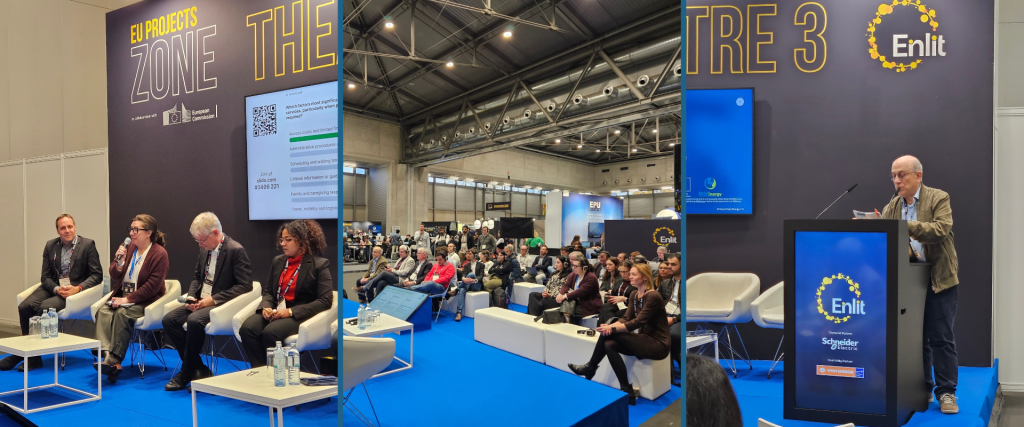
On 11 November 2026, RISEnergy hosted its Industry Workshop at Enlit Europe in Vienna, Austria, bringing together researchers, research infrastructure providers and industry representatives to explore opportunities for collaboration and innovation in the renewable energy sector. The workshop addressed RISEnergy’s innovation services, transnational access, artificial intelligence and digitalisation, as well as industry needs, barriers and expectations.
Connecting research infrastructures and industry
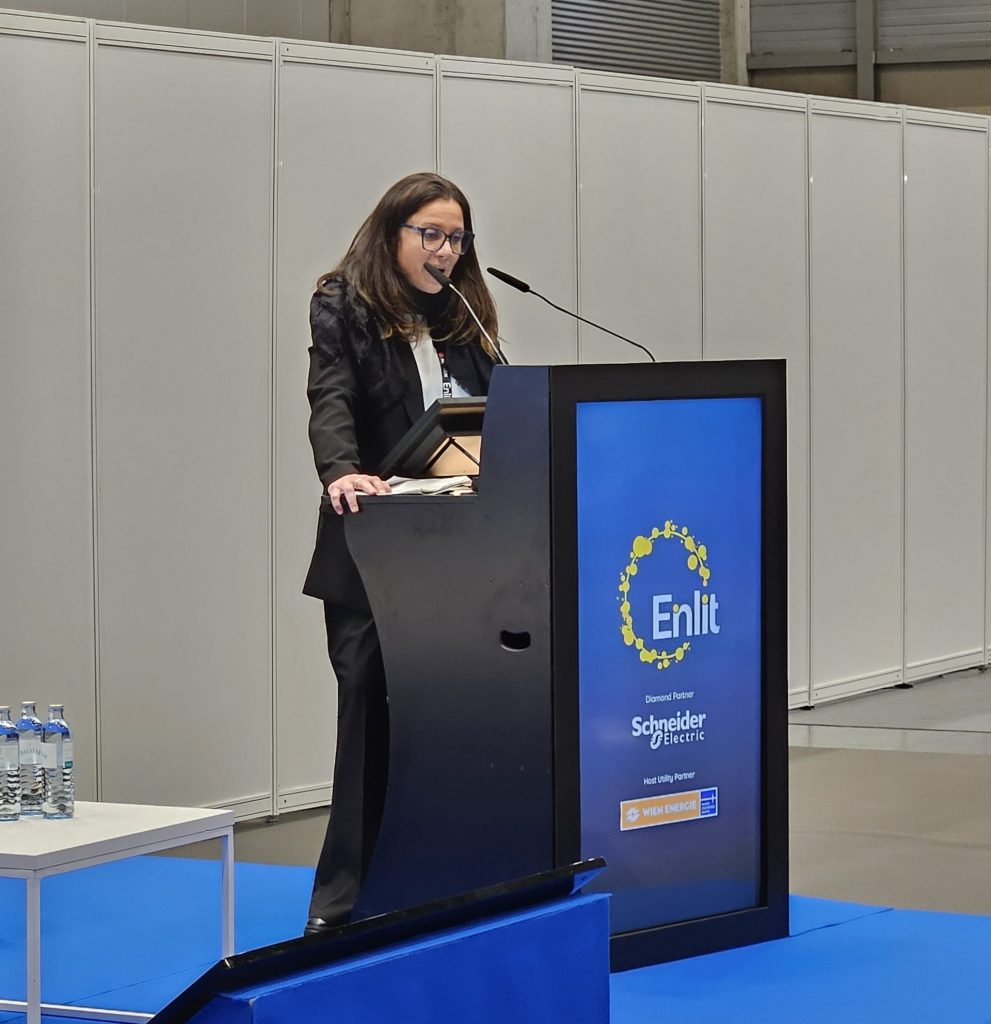
Venizelos Efthymiou, welcoming the participants, indicated that RISEnergy, a project offering Research Infrastructure Services for Renewable Energy, is proving to be a valuable link connecting experts and research infrastructures across Europe and beyond, covering the full spectrum of renewable energy technologies.
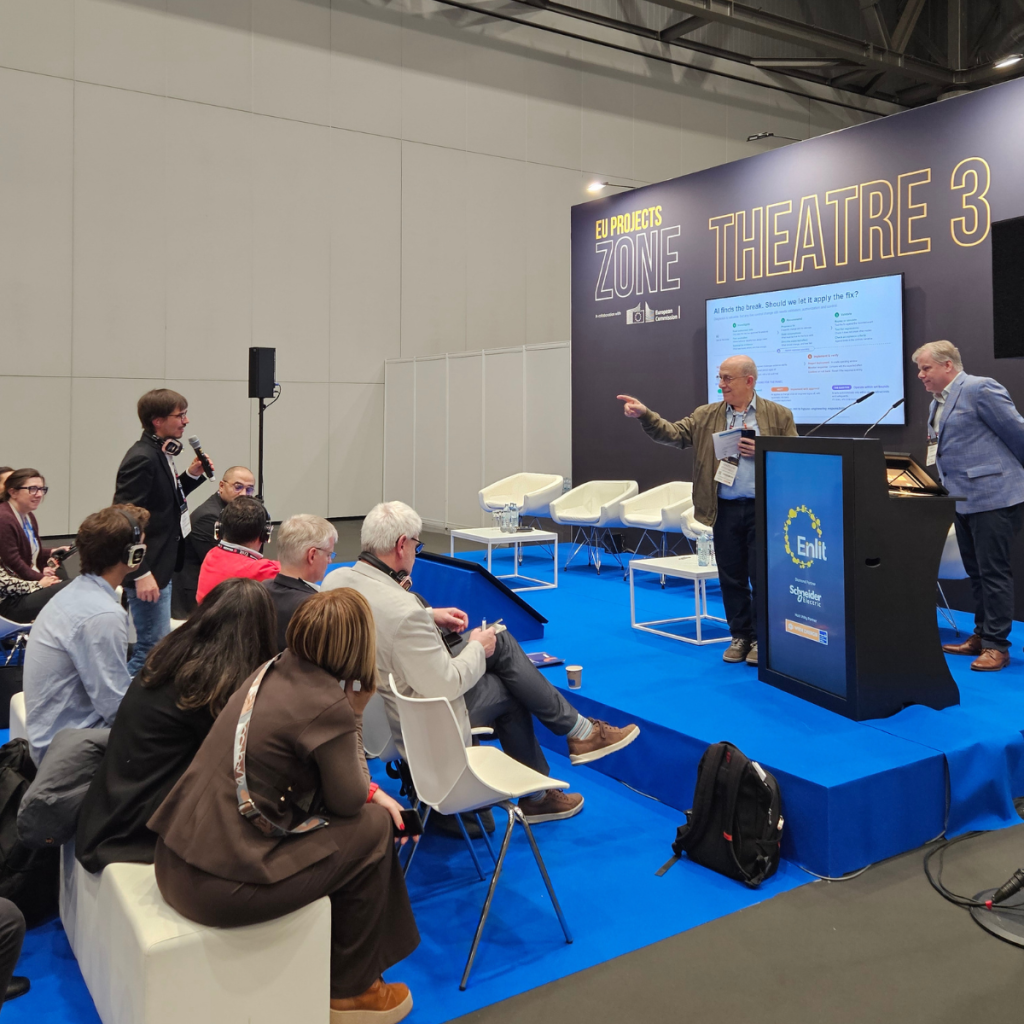
Gabriella Ferruzzi continued with the challenging theme of RISEnergy services for industry, aiming to provide evidence of the vital missing link. Through careful consideration, she identified that connecting through effective processes can build trust and lead to mutually beneficial matches. Through careful analysis, questions were identified for the workshop participants to answer via Slido and to guide the interactive discussion. The questions were central to identifying why the industrial perspective matters.
AI and digitalisation in renewable energy systems
Kourosh Malek followed with the theme of AI and Data Intelligence for Renewable Energy Systems and how AI and data can create value as we adopt and develop renewables. Underlining that expert knowledge is scarce, he explained that the way forward is to identify commonalities that will support the required workflow. This involves building a common language and moving from digital to physical intelligence through physical AI. This can mean extending capabilities beyond simply monitoring or reacting to also reasoning and analysing.
Randell Johnson took over from Kourosh to underline that AI has grown substantially over the last few years but has not reached the level of “superintelligence”. He clarified the reasoning and indicated that AI today can process information, identify patterns and be creative, but, in his view, has not entered the area of discovery, i.e. it cannot create new science.
He clarified the importance of setting human approval boundaries where challenges are critical, questionable or safety-sensitive, or where processes still need to be reversible for management reasons. Hence, AI should be used to expand the effectiveness of investigations, not to bypass engineering responsibility.
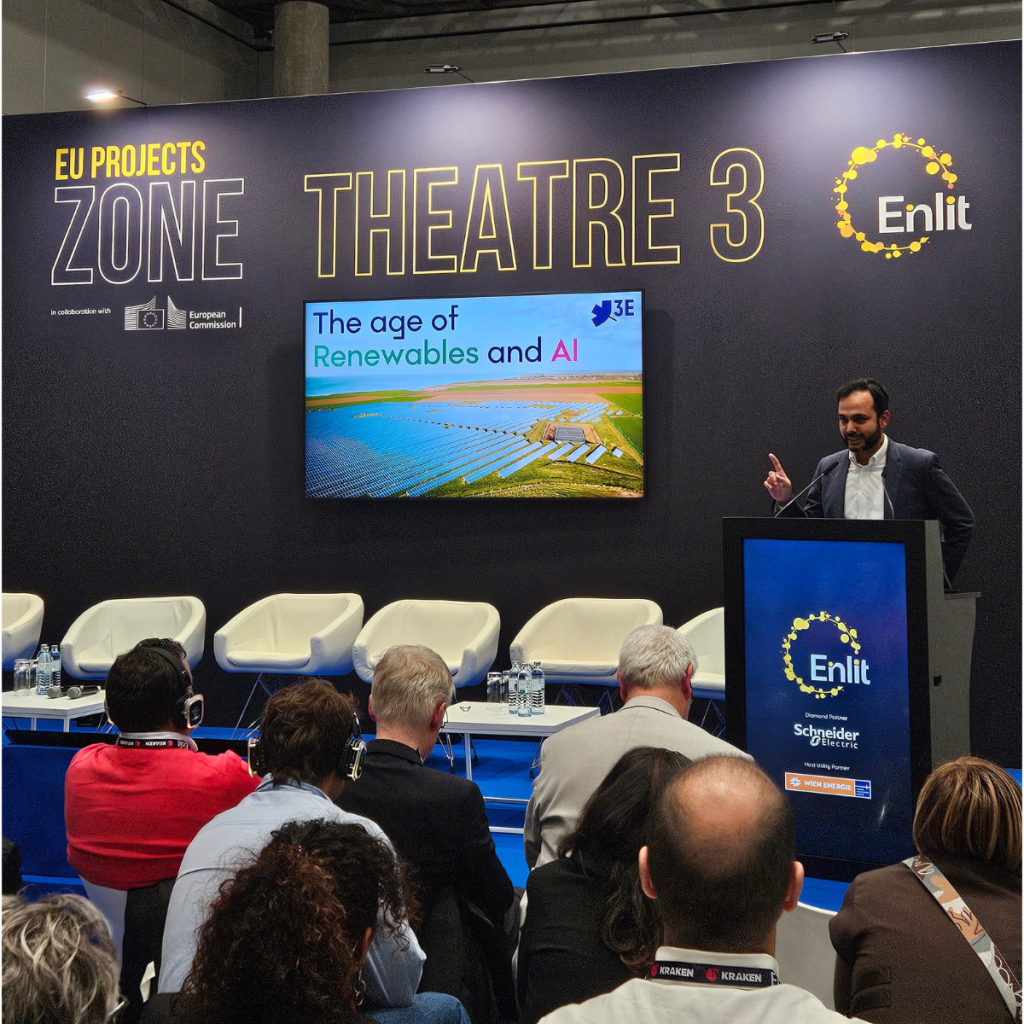
Gofran Chowdhury, speaking on the theme of the age of renewables, highlighted how AI can speed up the design process, avoid mistakes and improve advanced analytics across all stages of development, construction and operation. By moving from a physical entity to a digital twin and then to a digital triplet, intelligence can evolve to support complex decision-making and provide safe recommendations.
RISEnergy Innovation Route: Success stories
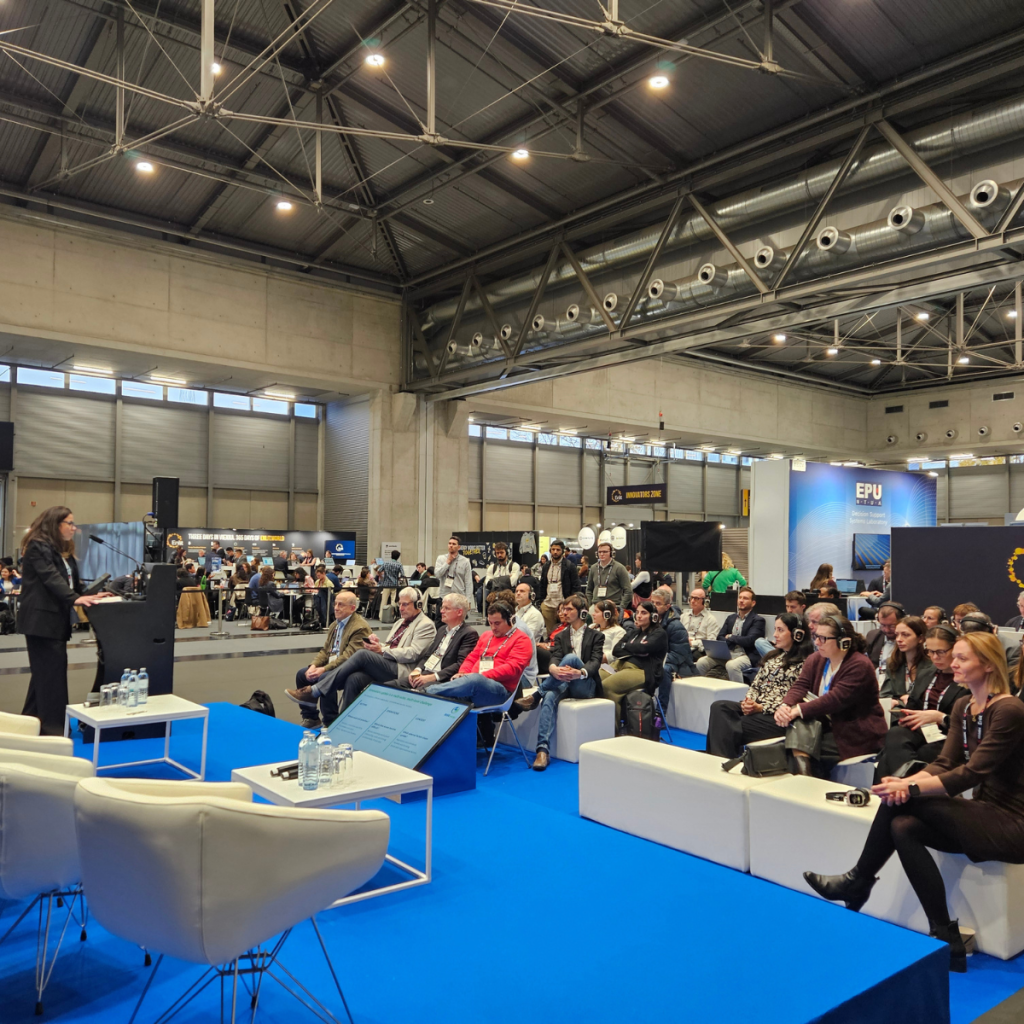
Two researchers shared a wealth of experience through their RISEnergy Innovation Route success stories.
Ugwu Boniface Ifeanyi – Direct Biomass Redox Flow Fuel Cell Catalyst Research. Ugwu Boniface Ifeanyi from Michael Okpara University of Agriculture, Umudike, Nigeria, presented his research on direct biomass redox flow fuel cell catalysts. The development of a composite catalyst (Fe₃O₄-rGO) has already shown improved performance for biomass hydrolysis and oxidation and can be considered a significant step towards increasing the efficiency of DBRFFC systems.
Francisco G. Montoya – Fault detection on an open-source smart meter. Francisco G. Montoya, Founder and Advisory Scientist at Zred and Full Professor at Universidad de Almería, presented his work on fault detection using an open-source smart meter. The work involved expert consultation and a transnational access proposal on geometric fault detection using the IEC 61850-enabled OpenZMeter. Reviewed by three RISEnergy ICT experts, the technology was identified as highly promising, with a route to market.
Transnational Access: Experiences from industry
Ulrich Hueck – Game-changing technology for concentrated solar power. Ulrich Hueck presented Hueck Solar Energy’s novel solar thermal receiver, which he identified as key to industrialising concentrated solar power (CSP). The benefits highlighted in his presentation included:
Enabling CSP plants to operate simply with unpressurised air heated to 700 °C;
- A patented solution for a solar thermal receiver;
- Integration of inexpensive solid thermal storage;
- Fail-safe operation in the event of a loss of external power supply;
- Grid stabilisation through rotating masses;
- Greater competitiveness at night in sun-rich regions than photovoltaics (PV) with batteries;
- The potential to cover a large share of global primary energy demand: heat and electricity, both on- and off-grid.
Industry perspectives: Needs, barriers and expectations
The last presentation came from Hannes Heigl of Fronius, covering the important theme of industry perspectives: needs, barriers and expectations. The objective is to strengthen industry–research collaboration.
In his presentation, Hannes Heigl underlined the importance of collaboration and grid integration, highlighting the stages of the development process: technology development, lab testing and simulation, field tests and pilot systems, and market readiness.
To support this process, the following environments were identified: system simulation, system labs and real-world labs. Through these, collaboration can flourish, supported by easy and unbureaucratic access, knowledge and experience sharing, benchmarking opportunities, and access to expertise and advanced infrastructure.
Interactive panel discussion
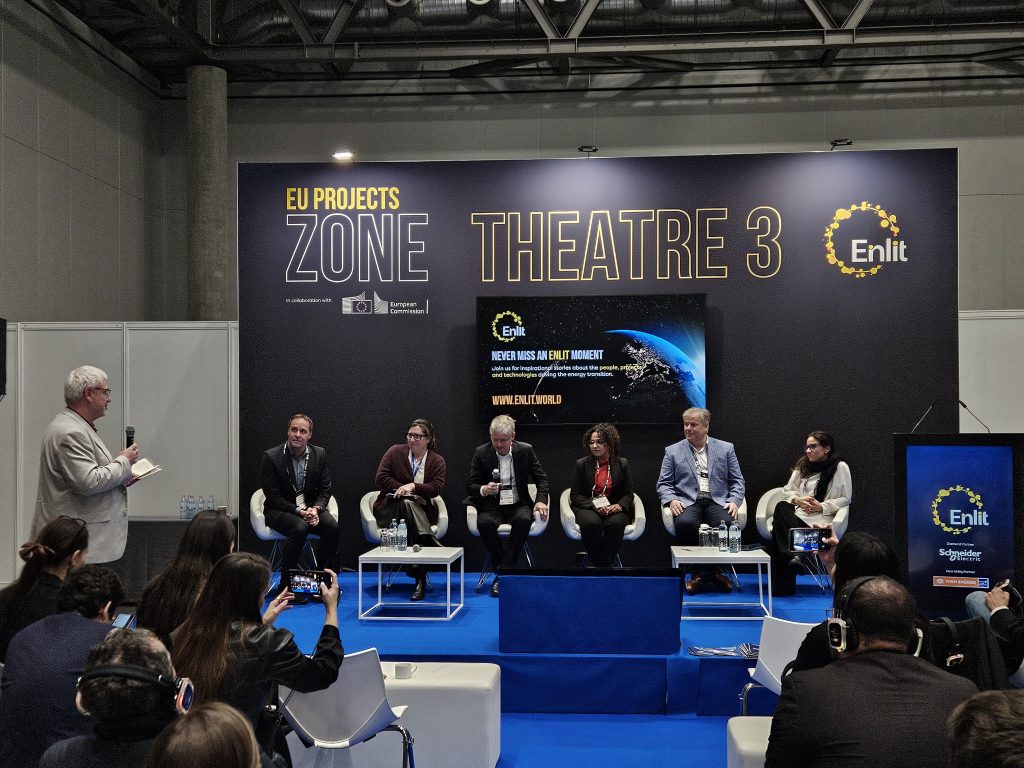
The interactive discussion was moderated by Peter Holtappels, with the following participants: Ulrich Hueck, Hannes Heigl, Elena Rodriguez Gonzalez, Randell Johnson, Gabriella Ferruzzi and Sarah Essam.
Participants were welcomed, and Elena Rodriguez Gonzalez and Sarah Essam were asked to address the main points of Hannes Heigl’s presentation and share their perspectives on the importance of collaboration opportunities with industry.
Elena Rodriguez Gonzalez stressed that the possibility of testing and validating technologies along the full development pathway in a safe test environment is important for companies before entering the market. Another important aspect of research infrastructure services is access to experts, who can help find solutions and suggest suitable infrastructures.
“This is exactly what EU-Solaris can provide to the solar community”, added Sarah Essam. She also stressed that their expert network extends beyond Europe. She, however, sees a further need for dissemination. While information flow within their community is very well established, information exchange with other energy technologies could still be improved to better explore the full potential of renewable energy technologies.
The panellists then discussed selected Slido questions, giving their opinions on the results. Financing access costs was noted as a barrier. During the discussion, it was mentioned that financial contributions from research infrastructure projects could be used to leverage additional financial support and thus constitute a valuable instrument.
During the panel discussion, several examples of practical approaches were presented, which can serve as a source of inspiration for the use of research infrastructure services. These services are set to be developed further in the upcoming EU project RISEnergy ESFRI.